

Car accidents can result in a variety of injuries, some of which may heal in a few weeks, while others can have lasting effects that impact your daily life, career, and emotional well-being. The severity and long-term impact of these injuries can vary significantly, but it’s essential to understand how they may affect your life. This article will explore common car accident injuries and their long-term effects, offering insights into the consequences these injuries can have and how they may influence your personal injury claim.
Whiplash: The Common Yet Overlooked Injury
 Whiplash is one of the most common injuries caused by car accidents, particularly in rear-end collisions. This injury occurs when the neck is jerked forward and backward suddenly, causing strain on the muscles, ligaments, and soft tissues of the neck. While some individuals recover quickly from whiplash, others experience long-term pain and discomfort.
For a detailed explanation of how liability and fault are determined in car accidents, visit our guide on fault rules in California car accidents.
Long-Term Effects:
- Chronic Pain: Many people experience persistent neck pain, stiffness, and discomfort that can last for months or even years after the accident.
- Reduced Mobility: Limited neck movement may hinder daily activities like driving, working, or performing basic tasks.
- Headaches: Whiplash is commonly associated with tension headaches or migraines that can become frequent and debilitating.
If left untreated, whiplash can result in ongoing pain that disrupts your life. Early treatment and physical therapy can help manage the symptoms, but some individuals may still experience chronic issues long after the accident.
For more information on motor vehicle safety and reducing accident risks, visit the CDC’s guidelines.
Broken Bones: The Impact of Fractures
Broken bones are a significant concern in car accidents, especially those that involve high-impact collisions, rollovers, or severe forces. Common fractures in car accidents include broken arms, legs, ribs, and collarbones. These injuries are not only painful but can also have lasting consequences, depending on the severity of the break.
Long-Term Effects:
- Chronic Pain: Even after a fracture heals, some individuals continue to experience ongoing pain, particularly if the bone didn’t heal correctly or if there were complications during recovery.
- Limited Range of Motion: Broken bones can result in lasting stiffness and reduced mobility in the affected limb, making it difficult to return to full physical function.
- Post-Traumatic Arthritis: Fractures, especially in weight-bearing joints like the knees or hips, can increase the risk of arthritis as the injury site deteriorates over time.
Rehabilitation and physical therapy are crucial for effective healing and restoring as much function as possible. However, some individuals may continue to face long-term discomfort, limitations, and permanent disability that affect their quality of life.
If you’re looking for expert guidance on spine and back injury recovery, visit Spine Health for valuable insights.
Head Injuries: Traumatic Brain Injuries (TBI)
Head injuries, including concussions and more severe traumatic brain injuries (TBI), are among the most serious consequences of car accidents. Even a minor bump to the head can cause a concussion, while more severe accidents can lead to brain contusions, bleeding, and permanent cognitive impairment.
Long-Term Effects:
- Memory Problems: Difficulty concentrating, remembering details, or retaining information are common after a brain injury.
- Emotional Changes: Individuals with TBI may experience mood swings, depression, or anxiety, making it difficult to cope with the trauma of the accident.
- Physical Impairment: Brain injuries can result in physical issues such as coordination problems, balance issues, or difficulty speaking.
Traumatic brain injuries often require long-term rehabilitation and therapy. The effects of TBI can persist for years, making it one of the most challenging injuries to recover from. The road to recovery is long, and many individuals may never fully regain their previous level of cognitive function.
For more information on the emotional effects of traumatic brain injuries, check out Psychology Today for insights on PTSD and recovery.
Back and Spine Injuries: The Long-Term Consequences of Spinal Damage
Back and spine injuries, such as herniated discs, fractured vertebrae, and spinal cord injuries, are common in serious car accidents. These injuries can result in significant pain and long-term health complications, particularly when the spine or spinal cord is affected.
Long-Term Effects: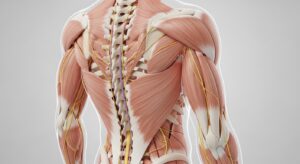
- Chronic Pain: Many individuals with back and spine injuries experience long-lasting pain, which may require ongoing pain management.
- Loss of Mobility: Severe spine injuries can result in partial or full paralysis, greatly limiting an individual’s mobility and independence.
- Degenerative Conditions: Spinal injuries can increase the risk of developing degenerative conditions like arthritis or sciatica later in life, resulting in ongoing pain and disability.
Spinal injuries often require surgical intervention and extensive physical therapy. In severe cases, individuals may require long-term care or rehabilitation to cope with the physical limitations imposed by the injury.
Psychological Effects: The Emotional Toll of Car Accidents
Car accidents not only cause physical harm but can also lead to significant psychological trauma. Many individuals experience anxiety, depression, or post-traumatic stress disorder (PTSD) after a car accident, especially if the accident was traumatic or life-threatening.
Long-Term Effects:
- Chronic Anxiety: Fear of driving, panic attacks, or general anxiety may persist long after the accident.
- Depression: The emotional toll of dealing with injury recovery, financial strain, and lifestyle changes can result in long-term depression.
- Post-Traumatic Stress Disorder (PTSD): Flashbacks, nightmares, and emotional numbness are common symptoms of PTSD following a traumatic car accident.
Therapy and counseling are often necessary to help individuals cope with the emotional aftermath of a car accident. Left untreated, the psychological effects can impact an individual’s ability to recover fully from the physical injuries sustained in the crash.
Conclusion: Seeking Compensation for Long-Term Injuries
Car accidents can result in injuries that affect your life for years, even decades. Whether it’s whiplash, broken bones, head injuries, or psychological trauma, these injuries often have lasting consequences that require ongoing medical care. It’s crucial to seek legal representation if you are dealing with long-term effects from a car accident, as you may be entitled to compensation for medical expenses, lost wages, and pain and suffering. Consult a car accident attorney to understand your rights and ensure you receive the compensation you deserve for your injuries.