
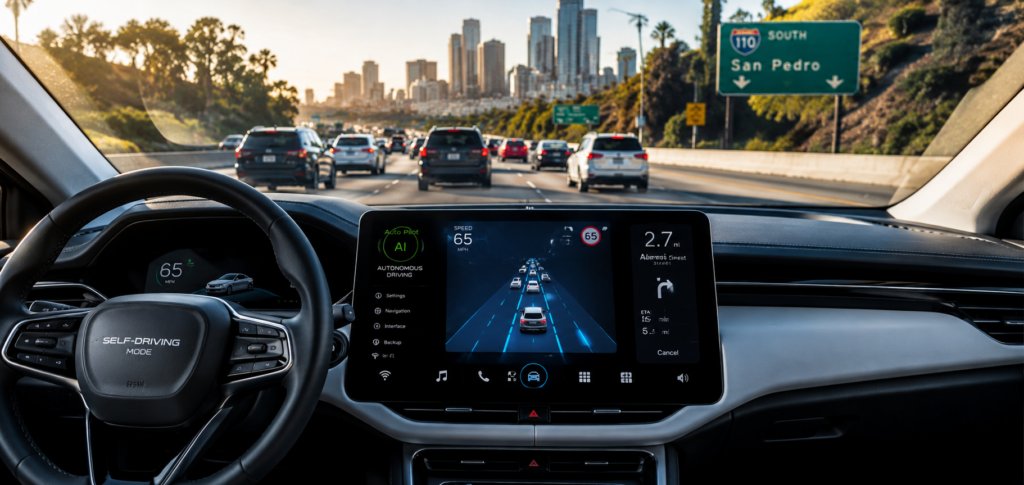
Artificial intelligence is becoming part of everyday driving. One of the fastest-growing technologies in California is the AI-powered dashcam. Unlike traditional dashboard cameras, AI dashcams use machine learning, real-time alerts, motion tracking, and automated recording systems to capture driving behavior and accident footage. These devices are increasingly being used in personal vehicles, rideshare cars, delivery fleets, and commercial trucks.
As more California drivers install AI dashcams, accident claims are beginning to change. Video evidence may help document collisions, identify dangerous driving behavior, and support liability investigations. At the same time, questions about privacy, fault, and evidence interpretation continue to emerge.
What Is an AI Dashcam?
An AI dashcam is an advanced vehicle camera system that records road activity while also analyzing driving conditions in real time. These systems may detect distracted driving, lane departures, hard braking, tailgating, speeding, and possible collision risks.
Unlike older dashcams that simply record footage, AI-powered systems may automatically save critical moments before and after an accident occurs. Some systems also upload recordings to cloud storage for easier access later.
Many insurance companies and fleet operators now encourage drivers to use these devices because they may provide valuable evidence after a crash.
For more information about roadway safety technology, visit the National Highway Traffic Safety Administration.
Why AI Dashcams Are Trending in California
California roads are known for heavy traffic, rideshare activity, delivery vehicles, and long commutes. Because of these conditions, drivers are increasingly relying on AI dashcams to document what happens on the road.
Several factors are contributing to the growing popularity of AI dashcams:
- Increased traffic congestion in urban areas
- Rising concerns about insurance disputes
- Growth of rideshare and delivery driving jobs
- More hit-and-run accidents reported statewide
- Advances in AI-based driving technology
Drivers involved in collisions often face conflicting statements about what happened. Video footage may help clarify traffic signals, vehicle positions, driver behavior, and road conditions.
You can also review our liability and fault rules articles to learn how fault may be evaluated after a California collision.
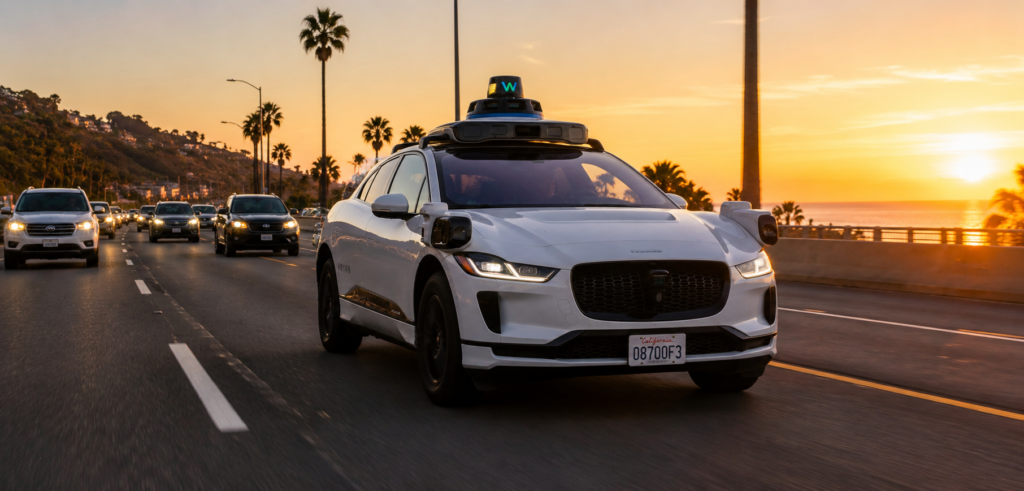
How AI Dashcams May Affect Accident Claims
Insurance companies often investigate accident claims by reviewing police reports, witness statements, photographs, and vehicle damage. AI dashcam footage may now become one of the most important pieces of evidence in some cases.
Video recordings may help show:
- Traffic light activity
- Lane changes
- Vehicle speeds
- Distracted driving behavior
- Unsafe turns
- Following distance
- Road hazards
Some AI systems also generate driving reports that track sudden braking, impact force, and steering patterns.
According to the Centers for Disease Control and Prevention, motor vehicle crashes remain a leading cause of injury in the United States.
Can AI Dashcam Footage Help Prove Liability?
California follows a comparative negligence system. This means multiple parties may share fault for a crash. Dashcam footage may sometimes help investigators determine how much responsibility each driver may hold.
For example, footage might show:
- A driver texting before impact
- A vehicle running a red light
- A sudden unsafe lane merge
- A rear-end collision caused by tailgating
- A distracted rideshare driver
However, video footage does not automatically decide fault. Insurance adjusters, attorneys, and courts still review the total evidence involved in the case.
You may also find useful information in our car accident news articles section, where we discuss various accident scenarios across California.
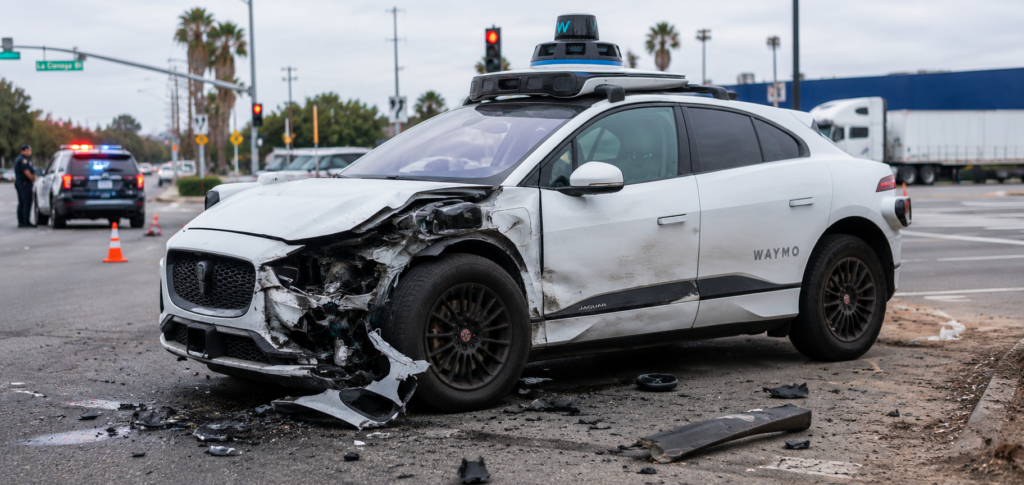
Privacy Concerns Surrounding AI Dashcams
Although AI dashcams may help document accidents, they also raise privacy concerns. Some systems record audio inside the vehicle, track driver movements, and collect location data.
California has strict privacy laws that may affect how recordings are stored and shared. Drivers should understand the settings and features included with their dashcam systems.
The California Office of the Attorney General provides additional information about consumer privacy rights and digital data protection.
AI Dashcams in Rideshare and Delivery Vehicles
Rideshare drivers and delivery drivers are among the biggest users of AI dashcam technology. Companies operating large fleets may install AI systems to monitor driver safety and reduce accident risks.
In rideshare accident claims, footage may sometimes help clarify:
- Passenger behavior
- Traffic conditions
- Driver distractions
- Unsafe road activity
- Collision timing
Delivery companies are also increasingly using AI camera systems to track driver performance and reduce insurance costs.
The Federal Motor Carrier Safety Administration discusses commercial vehicle safety technologies and crash prevention systems.
Can AI Dashcam Footage Be Used in Court?
Dashcam footage may potentially be introduced as evidence during accident litigation if it meets legal requirements. Courts may evaluate whether the footage is authentic, relevant, and properly preserved.
Issues that may affect the use of dashcam footage include:
- Video quality
- Tampering concerns
- Editing allegations
- Incomplete recordings
- Chain of custody questions
Because AI dashcams continuously record, preserving footage quickly after an accident may become important.
Learn more about evidence preservation from the American Bar Association.
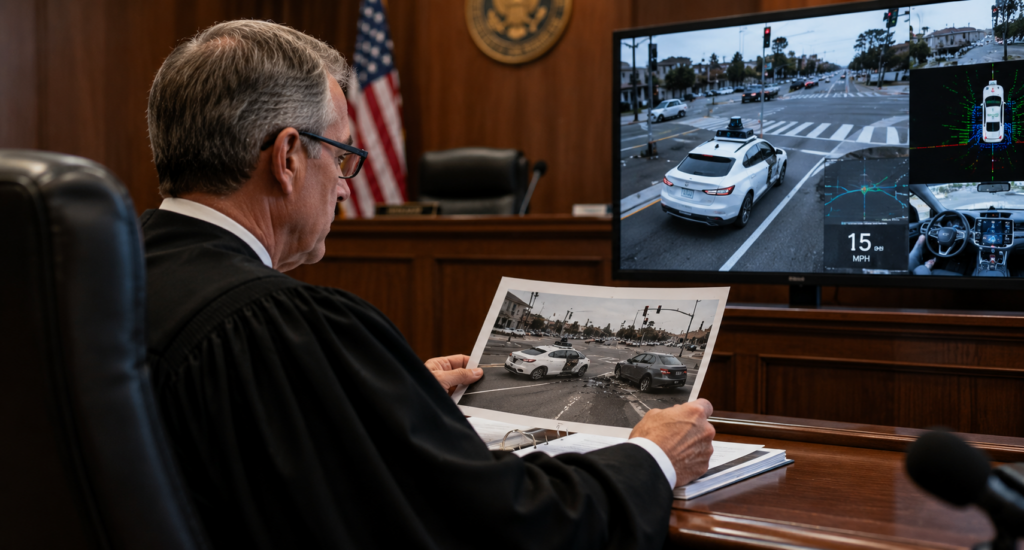
Are AI Dashcams Replacing Human Witnesses?
While video evidence may help clarify certain accident details, eyewitness testimony still remains important in many cases. Cameras may not capture every angle, weather condition, or driver action.
For example, glare, darkness, blocked views, or camera malfunctions may limit what footage actually shows. Human witnesses may still provide context regarding driving behavior and accident conditions.
AI technology continues to evolve, but courts and insurance companies still evaluate multiple forms of evidence together.
The Future of AI Technology and Car Accident Investigations
AI dashcams are expected to become even more advanced over the next several years. Future systems may include facial recognition alerts, predictive crash warnings, automatic emergency reporting, and improved accident reconstruction tools.
As autonomous vehicles and AI-assisted driving systems continue developing, accident investigations may increasingly rely on digital evidence and machine-generated data.
California lawmakers and regulators may also continue updating traffic laws and evidence rules to address these technological changes.
Final Thoughts
AI dashcams are quickly becoming a major part of accident investigations across California. These systems may provide important footage that helps document collisions, analyze driver behavior, and support liability reviews.
At the same time, AI technology also introduces new legal questions involving privacy, evidence handling, and fault determination. As more drivers adopt AI-powered systems, these issues may continue shaping the future of car accident claims.
If you were injured in a California crash involving AI technology, rideshare vehicles, or advanced driver-assistance systems, understanding how digital evidence works may become an important part of your case.