
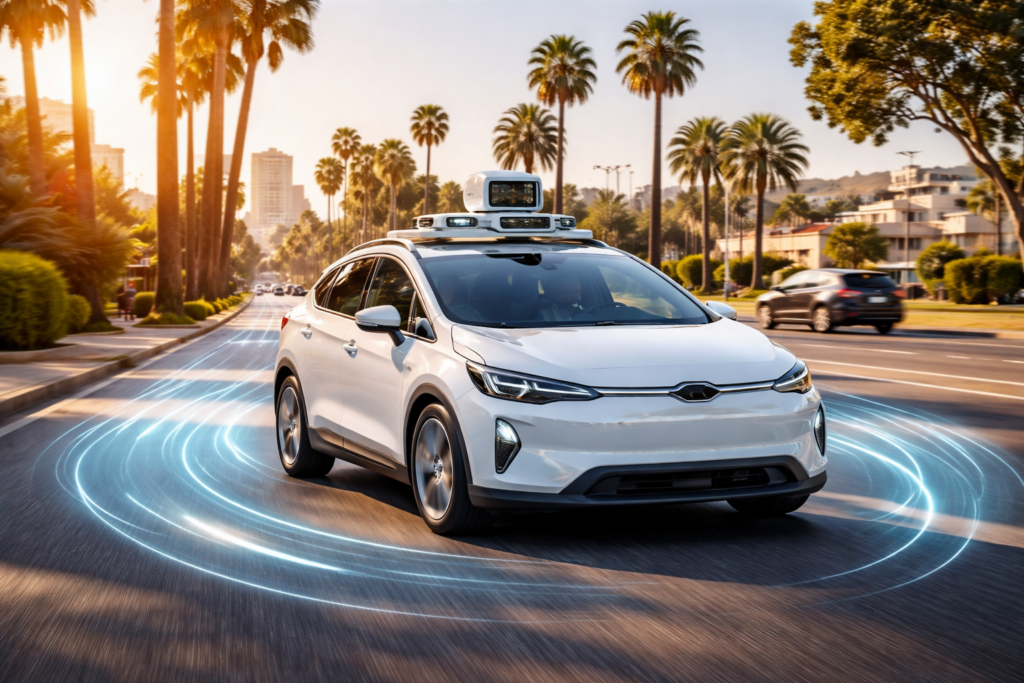
Autonomous vehicles, also known as self-driving cars, are gradually becoming a common part of the California landscape. While these vehicles promise greater safety and efficiency, they also bring about new legal challenges, especially in the event of accidents. In this article, we will explore how autonomous vehicles are changing the landscape of car accidents in California and what it means for accident victims.
What Are Autonomous Vehicles?
Autonomous vehicles are cars that are capable of driving themselves without human intervention. They use a combination of sensors, cameras, and sophisticated algorithms to navigate and control the vehicle. While fully autonomous vehicles are still in the testing phase, many companies, including Google’s Waymo and Tesla, are advancing rapidly towards making self-driving cars a mainstream reality.
The Rise of Autonomous Vehicles in California
California is at the forefront of autonomous vehicle testing and regulation in the United States. The state’s progressive laws and tech-savvy population have made it an ideal location for companies to test self-driving cars. In fact, California has become one of the leading states for autonomous vehicle innovation and testing.
The Impact of Autonomous Vehicles on Car Accidents
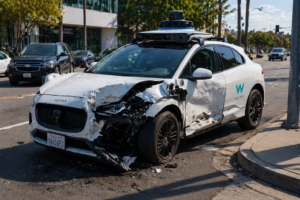
One of the primary goals of autonomous vehicles is to reduce the number of car accidents caused by human error. Human errors, such as distracted driving, speeding, and impaired driving, are responsible for the vast majority of car accidents. Autonomous vehicles, with their ability to follow traffic rules and make quick decisions, have the potential to significantly lower accident rates.
How Autonomous Vehicles Reduce the Risk of Accidents
- Reduced Human Error: Autonomous vehicles are not subject to distractions, fatigue, or impaired driving, which are major causes of accidents.
- Improved Reaction Time: Self-driving cars can react to hazards in fractions of a second, much faster than a human driver can.
- Better Adherence to Traffic Laws: Autonomous vehicles are programmed to obey traffic laws, reducing accidents caused by speeding, running red lights, or illegal turns.
The Legal Challenges of Autonomous Vehicle Accidents
While autonomous vehicles promise safety, they also create a range of legal challenges. One of the most significant issues is determining liability in the event of an accident. Traditional car accidents are usually straightforward when it comes to determining fault, but with autonomous vehicles, liability can be more complicated.
Who Is Responsible in an Autonomous Vehicle Accident?
In a typical car accident, the driver is responsible for the collision, but with autonomous vehicles, things are less clear. If a self-driving car is involved in an accident, it could be the manufacturer, software developer, or even the vehicle owner who is held liable.
The question of liability depends on several factors, including whether the vehicle was in autonomous mode at the time of the accident, the performance of the vehicle’s software, and whether human intervention played a role in the crash.
Liability in Autonomous Vehicle Accidents
As autonomous vehicles continue to evolve, the law will need to catch up to address issues of liability. Currently, there are several potential parties that could be held responsible in the event of an autonomous vehicle accident:
- Vehicle Manufacturers: If the vehicle’s hardware malfunctions, the manufacturer may be liable for damages.
- Software Developers: If the accident was caused by a flaw in the vehicle’s software or algorithms, the software developer may be held accountable.
- Vehicle Owners: If the vehicle owner was operating the car manually at the time of the accident or failed to maintain the vehicle, they may be at fault.
For a detailed explanation of how liability is determined in car accidents, visit our guide on Liability and Fault Rules in Car Accidents.
The Future of Autonomous Vehicles in California
As technology advances, we will likely see a continued rise in the number of autonomous vehicles on California’s roads. However, it will take time for legal frameworks to adapt to these changes. Companies will need to ensure that their self-driving cars are safe and that they adhere to the highest safety standards. Additionally, lawmakers will need to address issues of liability and insurance to ensure victims of accidents involving autonomous vehicles are properly compensated.
Explore Resources Links:
- NHTSA: Automated Vehicles
- How Autonomous Cars Will Change the Law
- Mayo Clinic: Self-Driving Cars
- CBS News: Self-Driving Cars and the Law
- Consumer Reports: Why Self-Driving Cars Are Still Far Off
Conclusion
As autonomous vehicles become more prevalent, they will undoubtedly change the way we think about car accidents and liability. While these cars hold the promise of reducing accidents caused by human error, they also bring about new legal challenges that must be addressed. It’s crucial for anyone involved in an accident with an autonomous vehicle to seek legal guidance to navigate the complexities of liability and insurance.