
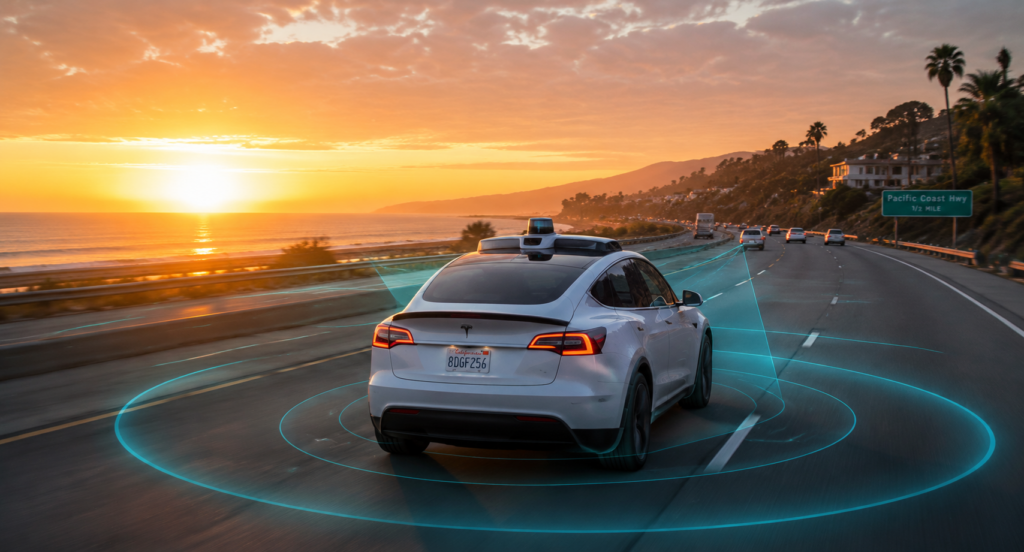
Electric vehicles (EVs) are rapidly growing in popularity across California. While they offer eco-friendly transportation, their increasing presence on roads is leading to new types of car accidents and unique legal challenges. From battery fires to silent EV collisions, understanding these risks is critical for drivers, passengers, and legal professionals navigating California accident claims.
Why EV Accidents Are Different
EVs differ from traditional gasoline vehicles in key ways. Their electric motors operate quietly, which can increase the likelihood of pedestrian accidents. Lithium-ion batteries can catch fire in severe collisions, creating additional hazards. Moreover, the weight distribution of EVs often affects crash dynamics, making accident reconstruction more complex.
Common Causes of EV Accidents
- Silent Operation: Pedestrians and cyclists may not hear EVs approaching, increasing accident risk.
- Battery Fires: Damaged batteries can ignite, causing injuries beyond the initial collision.
- High Acceleration: Many EVs accelerate faster than gasoline cars, sometimes catching drivers off guard.
- Charging Stations & Traffic Conflicts: Busy EV charging areas can create unusual traffic congestion.
Legal Considerations in EV Accidents
California law holds drivers liable for accidents caused by negligence. EV-specific issues may include battery manufacturer defects, autopilot or AI system errors, and charging station hazards. Victims should consider all possible parties when filing a claim.
For more about fault and liability, see our Liability & Fault Rules guide.
Insurance and EV Claims
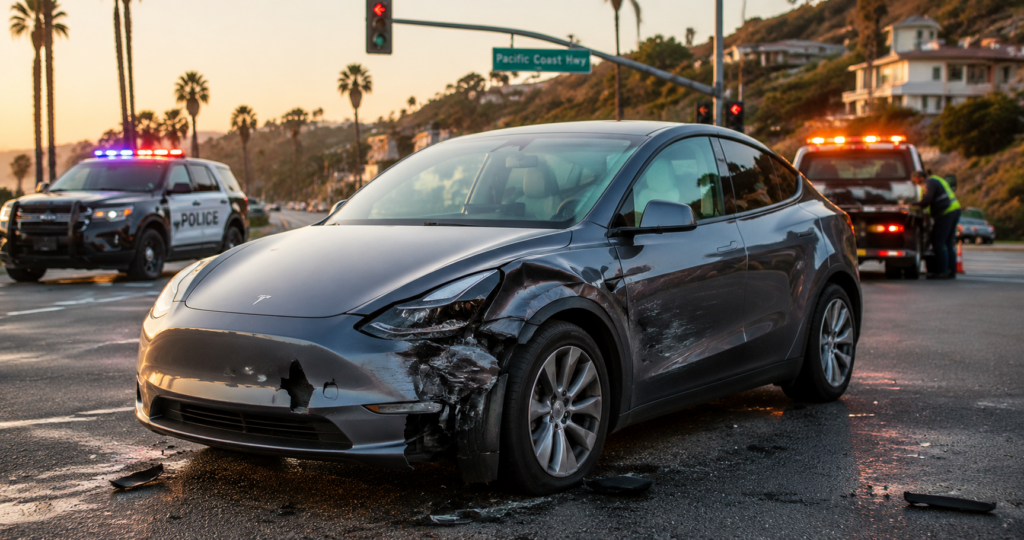
Insurance policies for EVs can differ from standard coverage. Some insurers may charge higher premiums due to battery replacement costs or specialized repair needs. Accurate documentation of EV-specific damage is essential for claims.
How to Document an EV Accident
Collect evidence as with any collision: photos, dashcam footage, witness statements, and police reports. For EVs, include battery condition, charging port status, and any onboard computer error messages. AI dashcam or telematics data may provide additional insights into the crash.
Health & Safety Concerns
Battery fires can cause chemical burns or smoke inhalation. First responders may need specialized training for EV crashes. Injury claims may involve both collision-related and post-crash fire injuries.
Case Examples and Trends
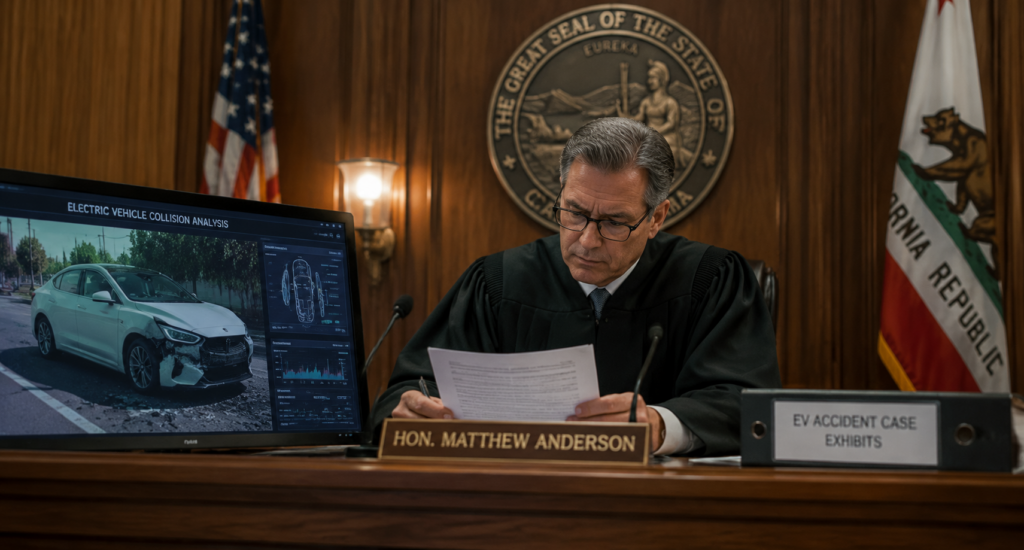
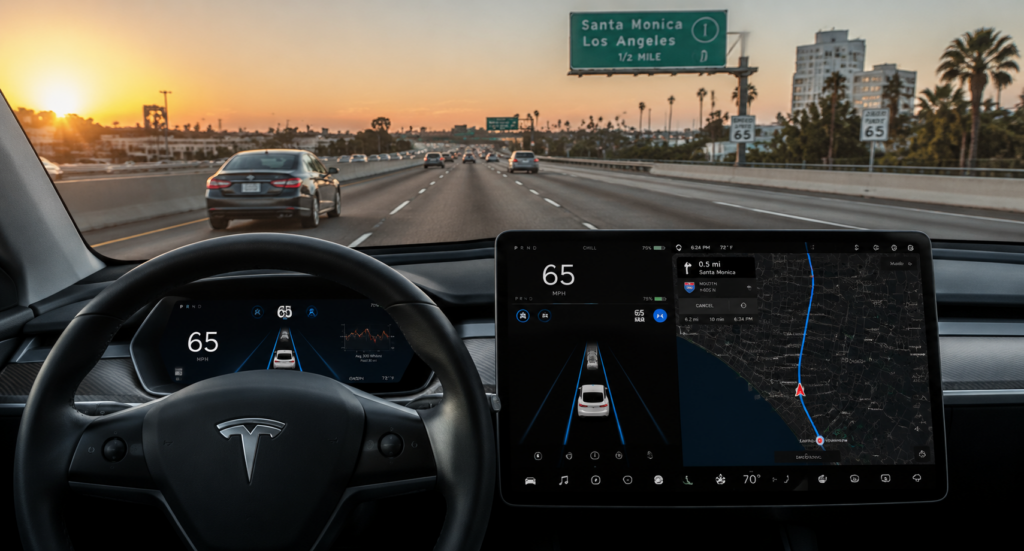
Recent cases in California show rising EV involvement in collisions, including high-profile Tesla autopilot incidents. Courts are adapting to include technical reports on battery performance and AI system logs when determining fault.
Conclusion
EV accidents present unique challenges for injury claims in California. Understanding silent operation, battery hazards, and autopilot errors is essential for proper documentation and liability assessment. Drivers and victims should consult experienced attorneys to navigate these specialized claims.