
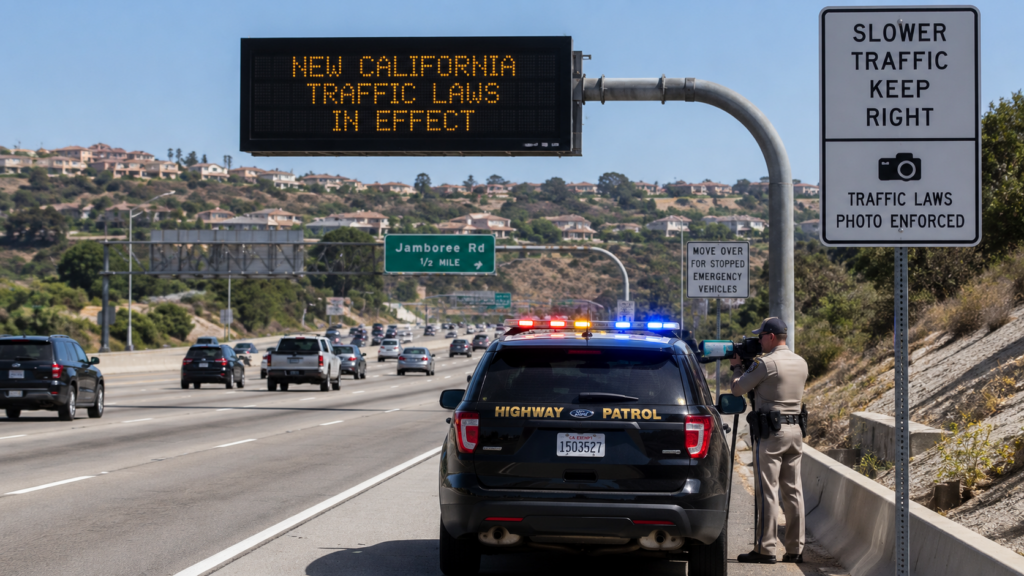
As of 2026, California has introduced several important traffic law updates that could significantly affect how car accident claims are handled in the state. These updates touch on speeding enforcement, safety regulations for advanced vehicle technologies, DUI penalties, and liability standards following collisions. Whether you’re a driver, a passenger, or a victim of a crash, these changes can influence your legal rights and compensation.
Why 2026 Traffic Law Updates Matter
Every year, California updates its traffic laws to improve road safety and adjust liability standards for modern vehicles. Changes in 2026 reflect growing concerns about advanced tech in cars (like autonomous and driver-assist systems), evolving accident patterns, and a push to reduce serious injuries. These revisions affect everything from roadside enforcement to how evidence is evaluated in injury claims.
Speed Enforcement and Safety Measures
One of the most notable updates to California’s traffic laws in 2026 involves enhanced speed enforcement. New provisions empower law enforcement to issue citations using a broader range of automated devices, including cameras in school zones and high-accident corridors. These enforcement enhancements aim to reduce high-speed collisions and their severity.
Speeding remains one of the leading causes of serious crashes in California, especially on freeways and busy urban intersections where pedestrian accidents and rear-end collisions occur frequently.
Advanced Vehicle Technologies and Driver Responsibility
California is at the forefront of vehicle technology adoption, including autonomous systems and advanced driver-assistance systems (ADAS). As these technologies become more common, the Legislature has updated rules governing how they are treated in accident claims.
Under the 2026 changes, collision investigations must now account for data from advanced systems such as:
- Automatic braking and collision avoidance systems;
- Lane departure warnings;
- Adaptive cruise control;
- In-cabin cameras and sensors.
This data can provide valuable insight into fault determination. However, it also raises questions about whether liability lies with the human driver, the automaker, or a software provider when modern tech fails.
For more on liability and fault issues after a crash, check out our Liability & Fault Rules category.
Changes to DUI and Impaired Driving Laws
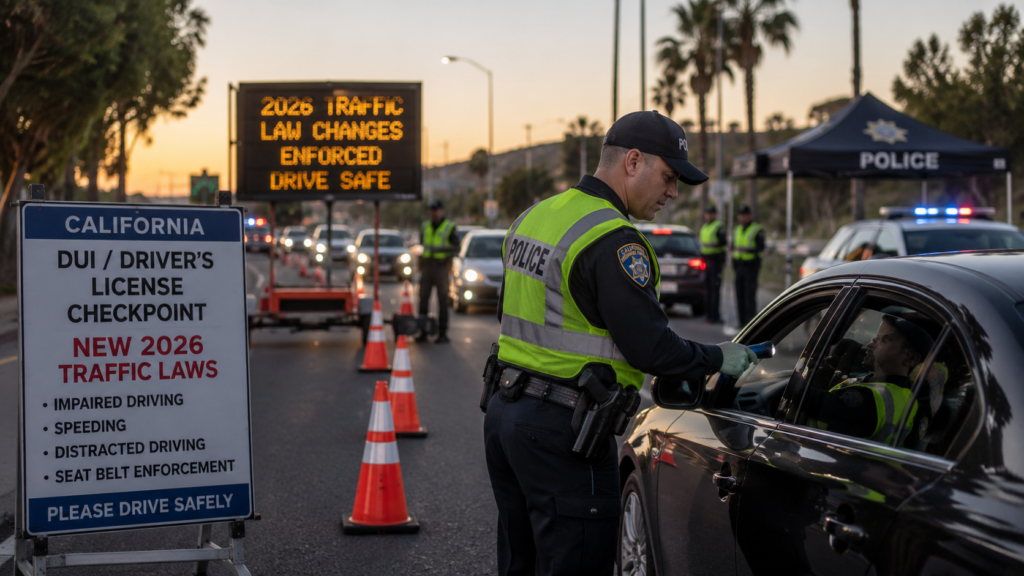
Impaired driving continues to be a serious concern on California roads. The 2026 traffic law updates refine DUI penalties, including:
- Stronger penalties for high BAC levels;
- Expanded roadside sobriety checkpoints;
- Increased fines and mandatory education programs.
These changes aim to deter drunk driving and strengthen accountability. If a driver causes a collision under the influence, the legal consequences are now steeper, which may affect both criminal and civil cases related to accident injuries. For details on what to do after a collision, see our Car Accident News Articles section.
Insurance and Compensation Implications
Traffic law changes also touch on insurance practices. California requires all drivers to carry minimum liability coverage to protect victims of accidents. In 2026, regulators are focusing on how insurers use advanced vehicle data in claims assessment, including data from collision avoidance systems and dashcams.
Crash data, including speed, braking, and steering patterns captured by modern sensors, can be used by insurers to determine fault and calculate compensation. This means accurate documentation is more important than ever. For a deeper dive on evidence collection after a crash, see our Accident Evidence category.
Pedestrian and Cyclist Safety Laws
California’s 2026 legal updates include provisions aimed at protecting pedestrians and cyclists. These changes encourage safer street design, enhanced crosswalk enforcement, and expanded fines for drivers who fail to yield to vulnerable road users. This reflects a broader trend in California to reduce severe injuries caused by collisions involving pedestrians and bikes.
Statute of Limitations and Filing Deadlines
Another important legal aspect affected by California 2026 law changes is the statute of limitations in personal injury claims. In most cases, victims have two years from the date of an accident to file a lawsuit. Missing this deadline can bar your right to compensation.
There are exceptions to the deadline for cases involving government entities or delayed discovery of injuries. It’s critical to consult an experienced attorney early to preserve your legal rights.
How These Laws Affect Your Case
If you’ve been injured in a California car accident, the 2026 traffic law changes may affect your claim in several ways:
- Stronger enforcement may lead to more citations that support your claim;
- Advanced vehicle data may be critical evidence in proving fault;
- New penalties for impaired drivers may increase potential compensation;
- Safer road laws for pedestrians and cyclists may support additional claims.
Because these changes are still fresh, working with a knowledgeable car accident attorney can help ensure you take full advantage of all legal protections available.
Helpful External Resources
- NHTSA Road Safety
- California Autonomous Vehicle Safety Dashboard
- CDC Motor Vehicle Safety
- California DMV Traffic Laws
- California Car Accident Compensation Laws
As California continues to evolve its traffic safety and legal framework, staying informed about these changes can empower accident victims and their families. If you’ve been hurt in a crash, learn how a skilled attorney can help protect your rights and navigate these complex issues.