
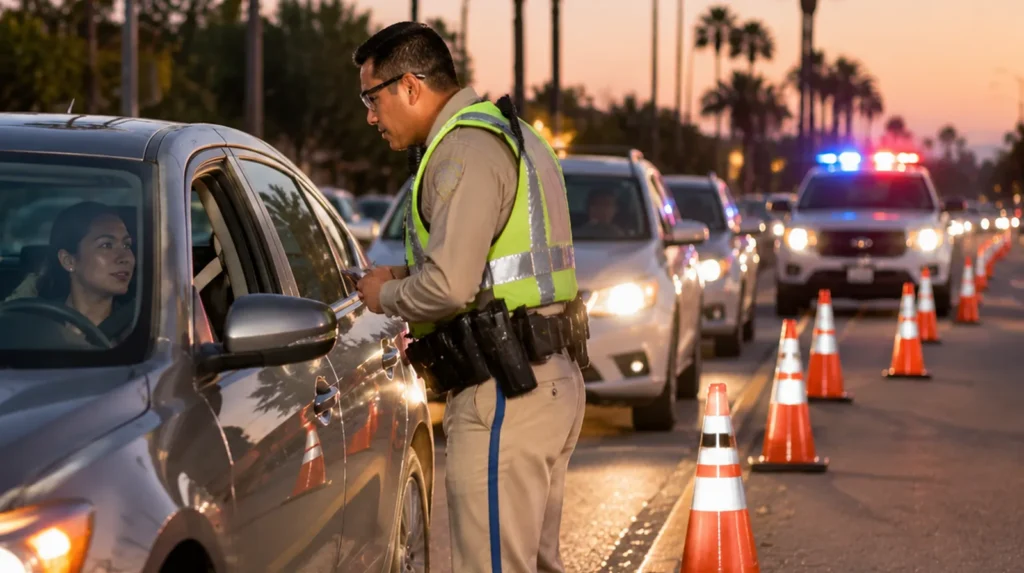
California is preparing for changes to its laws addressing repeat impaired drivers and hit-and-run crashes. On September 25, 2026, Governor Gavin Newsom signed four DUI-related bills, including Senate Bill 907, known as Braun’s Law, and Assembly Bill 1546. The main provisions discussed here are scheduled to take effect on January 1, 2027.
These measures strengthen certain criminal consequences for repeat DUI offenses and for drivers who leave injury or fatal crash scenes. They may matter to people injured by impaired drivers, but criminal penalties and a victim’s civil injury claim are separate legal matters. A tougher criminal law does not automatically determine fault or guarantee compensation.
Why California’s 2027 DUI Changes Matter
Impaired driving can endanger drivers, passengers, pedestrians, and cyclists by affecting judgment, attention, coordination, and reaction time. The National Highway Traffic Safety Administration reports 11,904 U.S. deaths in alcohol-impaired crashes in 2024.
The California Office of Traffic Safety scorecard tracks impaired-driving fatalities. For related local information, see our guide to common causes of car accidents in Newport Beach.
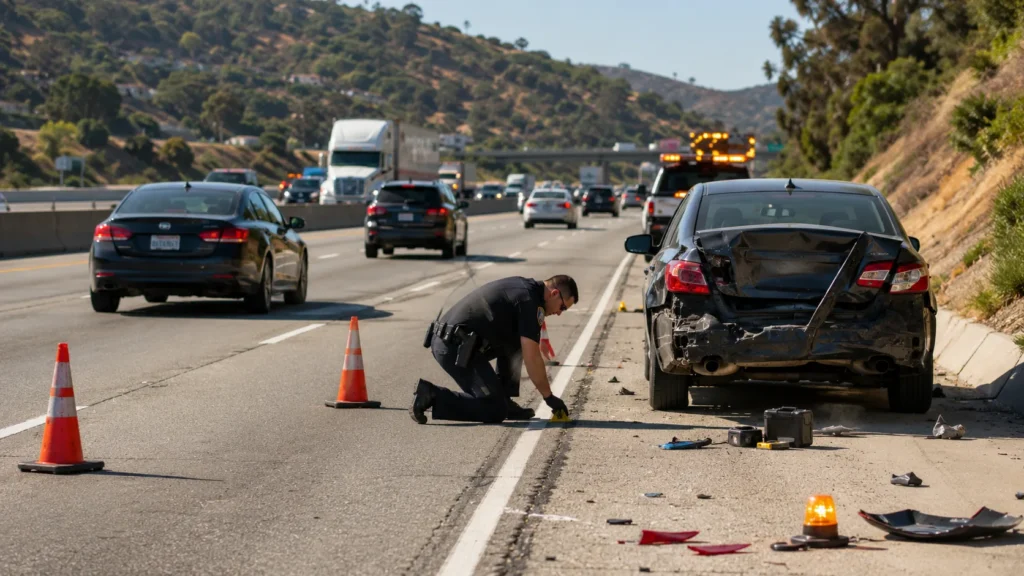
AB 1546: Tougher Consequences for Repeat DUI Offenses
Assembly Bill 1546 changes penalties for specified repeat DUI convictions occurring within 10 years of qualifying prior alcohol- or drug-related driving violations.
A DUI conviction within 10 years of two qualifying prior violations becomes a “wobbler,” meaning prosecutors may pursue it as either a misdemeanor or a felony. The misdemeanor sentence specified in the law includes 120 days to one year in county jail. A felony sentence may be 16 months, two years, or three years under Penal Code section 1170(h).
An offense following three qualifying prior violations remains eligible for misdemeanor or felony treatment; an offense following four or more is treated as a felony. Qualifying priors can include specified DUI and “wet reckless” convictions, not ordinary traffic tickets.
AB 1546 also changes California’s Good Driver Discount eligibility criteria. A driver principally at fault in a crash causing bodily injury or death during the preceding three years may no longer qualify for that discount. This does not set a person’s insurance premium by itself; the law directs the insurance commissioner to establish fault-determination guidelines.
Read the enacted measure in the California Legislature’s AB 1546 bill record. The Governor’s September 25 announcement also summarizes the repeat-offender measures.
SB 907, or Braun’s Law: Court Warnings and Hit-and-Run Penalties
Senate Bill 907 is named Braun’s Law in memory of Braun Levi, an 18-year-old killed in a 2025 crash involving a suspected repeat drunk driver. One part addresses cases in which a DUI charge is dismissed or resolved through a plea to a different or lesser offense.
When a defendant pleads guilty or no contest to a different or lesser offense in place of an alleged DUI violation, the court must give the advisement described in Vehicle Code section 23593. The warning explains that a future impaired-driving incident resulting in death may expose the driver to a murder charge. Courts must also state reasons on the record for certain dismissals, substitutions, or decisions to strike a separate conviction.
SB 907 also increases potential penalties for certain injury and fatal hit-and-run offenses when the driver has a qualifying prior conviction within 10 years. Qualifying priors include specified DUI, reckless-driving, and vehicular-manslaughter convictions. Higher prison terms apply when the crash causes death or permanent, serious injury.
The enacted language is available in the California Legislature’s SB 907 bill record. The Los Angeles County District Attorney’s Office summary also explains Braun’s Law and the hit-and-run changes.
Not Every Bill in the 2026 Package Takes Effect in 2027
Although the Governor signed four DUI-related measures on September 25, not every provision begins in 2027. AB 1685, which addresses DMV violation points and records for specified vehicular-manslaughter convictions, contains provisions that become operative January 1, 2031. AB 1687 also contains provisions scheduled for January 1, 2031, addressing license revocation for certain repeat impaired-driving offenders whose DUI causes bodily injury.
California’s Secretary of State explains bill chapters and effective dates: statutes enacted during a regular session generally take effect January 1 of the following year unless another date or an exception applies. A bill’s signing date does not mean every provision is immediately enforceable.
How DUI Laws Relate to a Car Accident Injury Claim
A DUI prosecution focuses on whether the accused driver violated criminal law and what criminal consequences apply. A personal injury claim has a different purpose: establishing civil responsibility for the collision and, when liability is proven, recovering legally available damages.
A DUI arrest or charge is not the same as a conviction, and neither automatically decides every issue in a civil case. Evidence of impairment, a conviction, witness accounts, properly obtained chemical-test records, and the officer’s investigation may be relevant. The evidence must still be considered with the circumstances of the crash and whether the alleged impairment caused or contributed to the injuries.
California follows comparative negligence. An injured person may still pursue damages when partly responsible for a crash, although any recovery can be reduced by that person’s share of fault. Read our guide to comparative negligence in California car accident cases for more information.
Depending on the facts, a claim may include reasonable medical expenses, lost income, reduced earning capacity, pain and suffering, and other legally recoverable losses. The amount and availability of damages depend on the evidence, injuries, insurance coverage, and applicable law.

Evidence That May Matter After an Impaired-Driving Crash
Evidence may include the police report, vehicle and roadway photographs, witness details, surveillance footage, dashcam recordings, medical records, and documentation of missed work.
Keep original photos and video files when possible. Record what you remember while the details are fresh, but avoid guessing about another person’s blood-alcohol level or making public accusations. The California Highway Patrol’s impaired-driving program provides information about enforcement and prevention, while the California DMV’s DUI information explains driver-related consequences and safety issues.
What to Do If You Are Injured by an Impaired Driver
Prioritize safety and medical care. Call 911 if anyone is injured or the scene is dangerous. Do not confront a driver you believe is impaired or put yourself at risk trying to stop them from leaving.
When safe, record the location, time, direction of travel, vehicle descriptions, license plates, and witness names. Photograph vehicle damage, road conditions, traffic controls, and visible injuries if doing so does not delay medical assistance. Ask responding officers how to obtain the report number and save dashcam footage before it is overwritten.
Seek medical evaluation promptly, even if symptoms initially seem minor. Keep copies of bills, prescriptions, referrals, and work-absence records. Our guide on what to do after a car accident in Newport Beach covers additional steps for documenting a crash.
Insurance and Civil Claims Are Separate From Criminal Penalties
Stronger criminal penalties do not automatically increase an insurance policy’s limits or guarantee a settlement. An injured person generally still needs to establish that another party’s conduct caused the crash and resulting losses. Insurers may investigate liability, review available coverage, and evaluate medical and financial documentation.
If the impaired driver has little or no insurance, your own policy may contain uninsured- or underinsured-motorist coverage, depending on its terms and the circumstances. Our guide to uninsured and underinsured drivers explains some options that may be available.
What Newport Beach Accident Victims Should Take Away
California’s 2027 DUI-law changes increase consequences for certain repeat offenders and strengthen rules involving plea resolutions and hit-and-run crashes. They do not replace the need to investigate each collision carefully or prove the elements of a civil injury claim.
If you are injured in a crash involving a suspected impaired driver, prioritize medical care, report the collision, preserve available evidence, and keep records of the harm you suffered. Understanding the difference between criminal penalties and civil liability can help you make informed decisions about your next steps.
For more updates and practical information, visit our Newport Beach car accident news and articles.